When a garage door stops cooperating in Alameda, the frustrating part is rarely the door itself β it's not knowing whether you're facing a two-minute sensor fix or a snapped spring that needs a professional's winding bars. This page walks through both honestly: the checks you can do for free right now, and the moment it makes sense to pick up the phone.

Bay Area garages are famously improvised: tuck-under single bays beneath San Francisco rowhouses, detached one-car garages behind Oakland bungalows, and the low-slung attached garages of San Jose's postwar tracts and Fremont's 1960s-70s subdivisions. Many are minimal by modern standards β seven-foot openings, wood doors, original hardware. A median build year around 1972 means a great many openers predate the 1993 federal auto-reverse rule. Marine damp is the region's signature wear: fog and salt air corrode springs and cables from San Francisco through Oakland and Hayward, and in Salinas the coastal moisture reaches well up the valley. Hillside foundations shifting over decades also pull tracks subtly out of alignment.
The ZIP codes this page covers are home to roughly 76,876 residents, with a median home built in 1971, and a median household income near $157,160 (U.S. Census Bureau, ACS 2023). About 49% of occupied homes here are owner-occupied β and owners, not landlords, make most garage-door decisions. That build year matters more than it looks: openers installed before 1993 aren't covered by the federal auto-reverse requirement, so Alameda has a higher-than-average share of garages worth testing against the modern standard.
Every call type below routes to an independent local professional β factual descriptions, no teaser pricing, ever.
Chain, belt, screw, or wall-mount: each drive fails its own way, and each has its fix.
Learn more βSmartMyQ, Aladdin, and native Wi-Fi units set up with the app actually working before the truck leaves.
Learn more βMoney callOne spring or a matched pair, standard or high-cycle β sized to your door, not a truck's leftovers.
Learn more βCables & tracksStraight track and live cables are the difference between smooth and scary.
Learn more βOff-trackImpact, obstruction, or worn rollers β off-track has causes worth fixing, not just symptoms.
Learn more βPanelsA fresh section beats a full door when the math is honest. Pros do that math with you.
Learn more βBig ticketR-values, wind ratings, window lites, springs sized right β installation is the product.
Learn more β24/7Trapped car, open garage, storm inbound: some calls genuinely can't wait for morning.
Learn more βCommercialPreventive contracts and emergency response for doors that work as hard as you do.
Learn more βWeatherproofingSeals wear invisibly until the first cold snap or the first mouse. Cheap to renew.
Learn more βTune-upBalance test, force test, reversal test β the same checklist the federal standard implies.
Learn more βStorm-ratedRetrofit bracing or full rated replacement β what your wind zone actually requires.
Learn more βHere's a fact that surprises most Alameda homeowners: garage doors are covered by federal safety law. Since January 1, 1993, every residential opener sold in the U.S. must reverse automatically on contact with an obstruction β entrapment protection required by UL 325 and 16 CFR Part 1211, standards written after documented child entrapment deaths.
The practical upshot: put a 2Γ4 flat under the door, hit close, and watch. Reverse-on-contact is the law working. A door that keeps pressing β or an opener with no sensor eyes by the floor β belongs to the pre-1993 era, and modernizing it is a straightforward professional job.
Sources: U.S. Consumer Product Safety Commission Β· UL Standards & Engagement Β· 16 CFR Part 1211 Β· DASMA
You'll see factors here, never prices β advertised teaser fees are the industry's signature bait, and we refuse them on principle. These are the honest variables a written quote should reflect.
A double-car steel door loads springs and openers very differently than a single. Heavier doors need higher-torque springs and sturdier hardware, and that flows directly into parts cost.
Torsion springs come in cycle ratings β roughly how many open-close cycles the steel is engineered for. A higher-cycle spring costs more up front and lasts years longer; an honest tech will ask how often you use the door, not just quote the lowest-grade coil.
Chain, belt, screw, and wall-mount jackshaft openers price differently, and so do their parts. Smart openers with battery backup sit at the top of the range.
Replacing one dented section only works if the manufacturer still makes your panel profile and color. Discontinued lines can turn a one-panel job into a full-door conversation.
Off-hours emergencies, tight tracks, low headroom, and custom framing add labor time β the honest kind of surcharge that a written quote should spell out before work starts.
You'll notice this page names cost factors but never a number. That's deliberate. The advertised teaser fee that balloons on the driveway is this industry's signature scam β the pattern behind waves of fake listings that get purged from search results every year. No honest company can price a spring job without knowing your door, and neither can a website. What we can do is connect you with an independent local professional who quotes after seeing the door, in writing, with parts named. That's the standard worth holding out for.
Two minutes of prep makes the call twice as useful. Note what the door does β hums, clicks, silent, half-opens β and any sound that preceded the failure; a single loud bang usually means a spring. Snap a photo of the opener's model sticker (on the motor housing) and of the door from inside. Know roughly when the opener was installed, and whether the door is a single or double. With those details, the pro we connect you with can arrive with likely parts on the truck instead of scheduling a second trip.
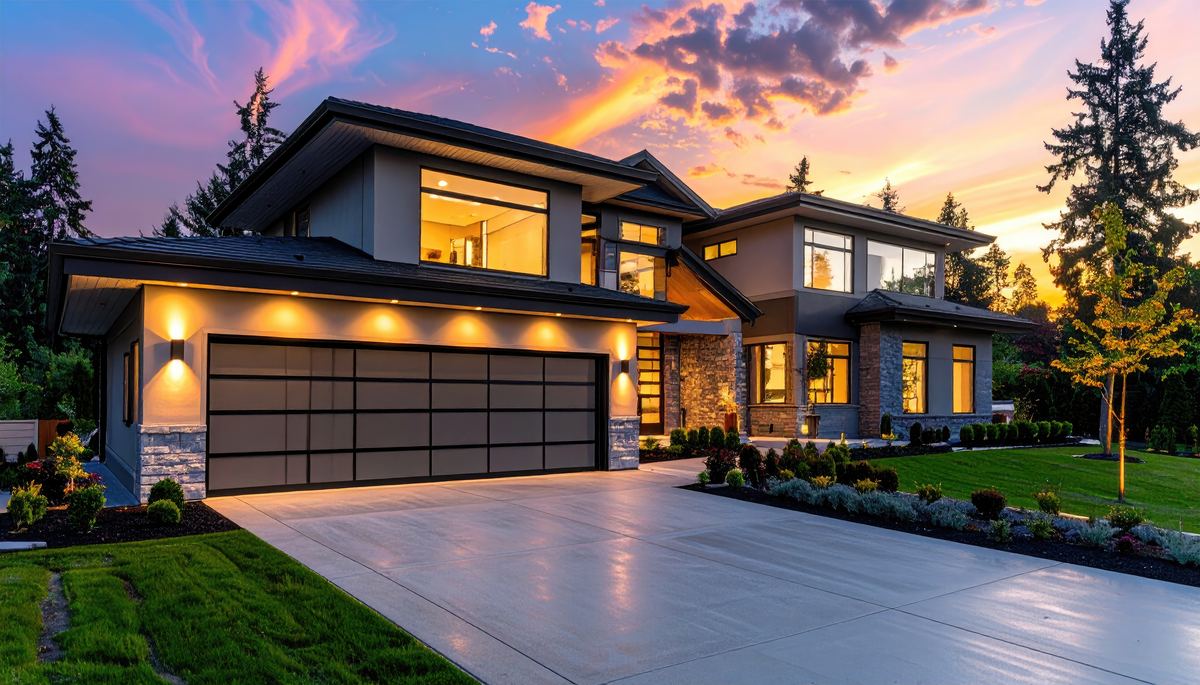
Half the "emergencies" the bait shops charge for are two-minute fixes. Start here β it's what an honest neighbor would tell you to do.
When it reverses matters more than that it reverses. Instant reversal before the door really moves points to theβ¦
Read the free checks βFix-It guideA blinking opener light is a diagnostic code, not random flickering. On LiftMaster, Chamberlain, and Craftsman openers,β¦
Read the free checks βFix-It guideIf remotes operate the door but the wall button is dead, the radio side is fine and the problem is the wall control orβ¦
Read the free checks βThe questions Alameda homeowners actually type, answered without the runaround.
You've found the connecting line for it. Call (888) 830-7442 and we'll route you to an independent garage-door professional who actually serves Alameda β including the 2 ZIP codes this page covers. No forms, no callback queue, no address games.
If you're in the Alameda area, very likely yes. The network includes pros who take after-hours calls for stuck-open doors, snapped springs, and off-track emergencies. Call and we'll connect you with someone who can quote their real arrival window.
It varies by municipality. Like-for-like replacement often doesn't require one, while structural changes or wind-rated installs may. The pro we connect you with will know California's norms β and pulling a required permit is a sign you've hired the right kind of company.
Sometimes, honestly, yes. Sensor realignment, remote re-pairing, track lubrication, and the wall-button lock are safe, free checks we explain openly. Springs, cables, and off-track doors are not DIY territory β that hardware is under real tension.
Grinding usually means dry rollers or hinges β a garage-door-rated lubricant quiets most of it, free. Banging or popping under load is more serious; springs and bearings under strain deserve a professional look before something lets go.
It depends on the hour and the season, but the network we route to includes independent professionals who handle emergency and after-hours calls in the Alameda area. Call and we'll connect you with someone who can tell you their real availability.
You reach our routing line, tell us what the door is doing and your location, and we connect you with an independent local garage-door professional serving Alameda. They take it from there β scheduling, diagnosis, and any quote happen directly between you and them.
Since January 1, 1993, US-sold residential openers must reverse automatically when the door meets an obstruction β UL 325 and 16 CFR Part 1211, written after documented child entrapment deaths. Millions of older openers predate it. The 30-second test: lay a 2Γ4 flat under the door and close it β the door must reverse on contact.
Calls from these California ZIP codes route to pros serving the Alameda area.
The same network covers the neighboring communities β each with its own local page.
Talk to a local garage-door pro now. Free to call, no obligation, honest answers β the way it should be.