Garage door trouble in Cambridge tends to announce itself at the worst moment β the door refuses to lift before work, or won't close as a storm rolls in. Before anyone quotes you for parts you may not need, run through the honest checks below. If it turns out to be a real repair, one call connects you with a local pro who handles Cambridge daily.

Triple-deckers, tight lots, and alley garages set the tone across Boston, Cambridge, Somerville, and the old mill cities of Lowell and Springfield. Where garages exist at all in these dense neighborhoods, they are often narrow, low-headroom structures from the early and mid twentieth century, squeezed behind houses or tucked under back additions. That vintage means original wood doors, undersized openings, and openers that in many cases predate the 1993 federal auto-reverse requirement. New England weather does the rest: freeze-thaw winters rack door frames on older foundations, and street salt tracked inside corrodes bottom brackets and hinges. A median build year of 1965 makes hardware fatigue the most common complaint here.
The ZIP codes this page covers are home to roughly 118,073 residents, with a median home built in 1950, and a median household income near $124,648 (U.S. Census Bureau, ACS 2023). About 34% of occupied homes here are owner-occupied β and owners, not landlords, make most garage-door decisions. That build year matters more than it looks: openers installed before 1993 aren't covered by the federal auto-reverse requirement, so Cambridge has a higher-than-average share of garages worth testing against the modern standard.
Every call type below routes to an independent local professional β factual descriptions, no teaser pricing, ever.
That bang from the garage? Spring steel reaching the end of its cycle rating. Pro territory, always.
Learn more βTune-upTwenty minutes a year keeps the thousand-cycle machine honest.
Learn more βOpenersHums, clicks, half-lifts: opener symptoms decode fast under a trained eye.
Learn more βCables & tracksCables fray strand by strand until they don't. Catching them early is cheap insurance.
Learn more βOff-trackRollers out of the rail means stop β using the door now turns a repair into a rebuild.
Learn more βPanelsDents, cracks, and rot handled section by section where the model allows.
Learn more βBig ticketFrom builder-grade steel to carriage-house statement doors β installed to spec.
Learn more β24/7A door that won't close is an open invitation. Emergency routing exists for exactly this.
Learn more βCommercialService counters, firehouses, warehouses β commercial doors earn their keep daily.
Learn more βWeatherproofingDaylight under the door means weather, dust, and pests have a standing invitation.
Learn more βSmartBattery backup, camera models, keypads β the garage joins the smart home properly.
Learn more βStorm-ratedMiami-Dade approvals and wind-load labels are real engineering, not marketing.
Learn more βHere's a fact that surprises most Cambridge homeowners: garage doors are covered by federal safety law. Since January 1, 1993, every residential opener sold in the U.S. must reverse automatically on contact with an obstruction β entrapment protection required by UL 325 and 16 CFR Part 1211, standards written after documented child entrapment deaths.
Verify it in under a minute: interrupt the sensor beam mid-close (it should reverse), then the lumber test on the floor (contact must reverse it). Failing either puts the door outside a federal standard written after documented tragedies β and a local pro can bring it current, often the same day.
Sources: U.S. Consumer Product Safety Commission Β· UL Standards & Engagement Β· 16 CFR Part 1211 Β· DASMA
You'll see factors here, never prices β advertised teaser fees are the industry's signature bait, and we refuse them on principle. These are the honest variables a written quote should reflect.
A snapped torsion spring, a frayed cable, and a misaligned sensor are three different price classes. The diagnostic matters more than any advertised number β which is why we refuse teaser fees on principle.
Builder-grade, standard, and premium hardware all bolt into the same door. The honest quote names the class and the warranty; the bait quote names a low number and upgrades you on the driveway.
The median Cambridge home was built in 1950, which means original garage hardware here often predates not just modern openers but the 1993 federal entrapment standard entirely. Older doors can be excellent candidates for repair β the steel was heavy and honest β but their openers usually deserve retirement.
Low headroom, finished ceilings, wall-mount conversions, and custom framing add real hours. Good techs flag complexity on the phone rather than discovering it expensively in person.
Cold snaps break springs in waves, and installers book out in storm season. Scheduling flexibility β when you have it β is worth mentioning when you call.
Two minutes of prep makes the call twice as useful. Note what the door does β hums, clicks, silent, half-opens β and any sound that preceded the failure; a single loud bang usually means a spring. Snap a photo of the opener's model sticker (on the motor housing) and of the door from inside. Know roughly when the opener was installed, and whether the door is a single or double. With those details, the pro we connect you with can arrive with likely parts on the truck instead of scheduling a second trip.
For tenants, a failed garage door is usually the landlord's responsibility β the door is part of the structure, like a roof or a furnace. Document the failure with photos, report it in writing, and don't authorize repairs yourself unless your lease says otherwise. Landlords and property managers: a door that won't secure the garage is the kind of habitability-and-security item worth fast-tracking, and an annual tune-up across your units costs less than one emergency call. Either way, the pros we connect with work with both owners and managers.
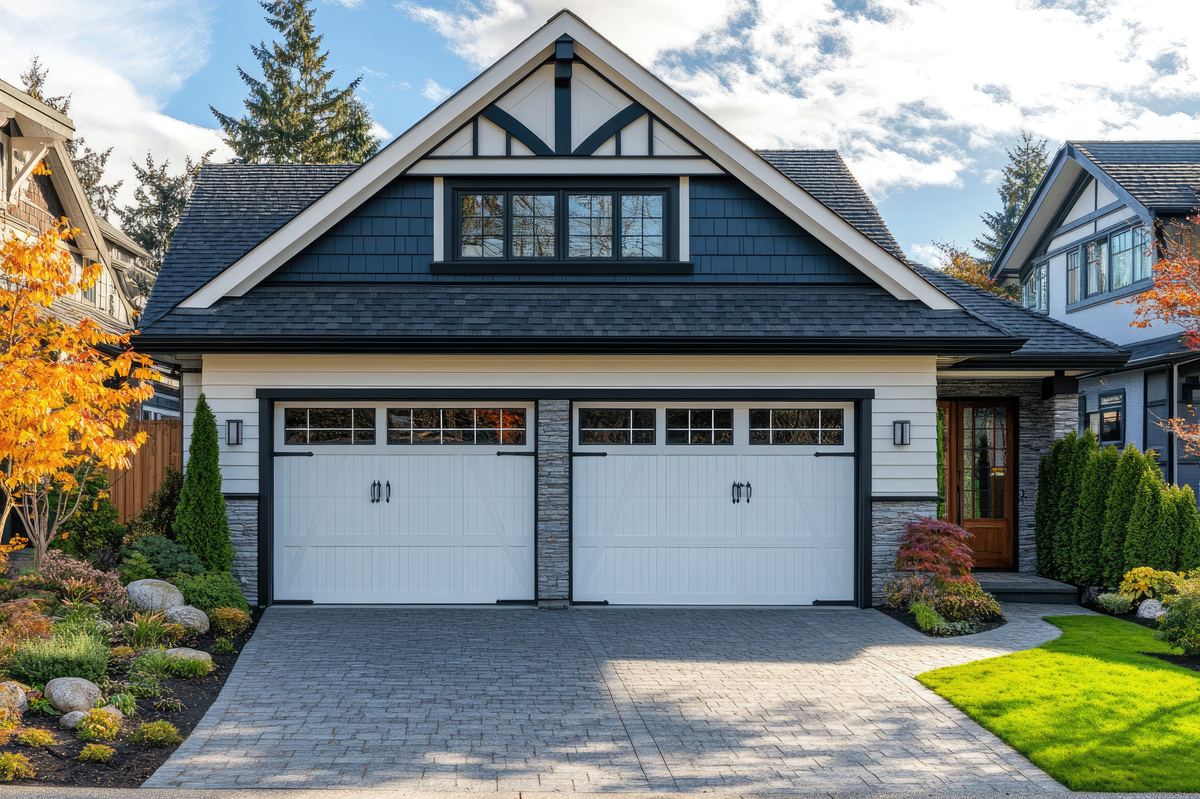
Half the "emergencies" the bait shops charge for are two-minute fixes. Start here β it's what an honest neighbor would tell you to do.
When a door opens fine but refuses to close β especially if it reverses immediately and the opener light flashes β theβ¦
Read the free checks βFix-It guideA door that stops at the same spot every time usually has a mechanical obstruction or a travel-limit setting problem; aβ¦
Read the free checks βFix-It guideWhen it reverses matters more than that it reverses. Instant reversal before the door really moves points to theβ¦
Read the free checks βThe questions Cambridge homeowners actually type, answered without the runaround.
You've found the connecting line for it. Call (888) 830-7442 and we'll route you to an independent garage-door professional who actually serves Cambridge β including the 6 ZIP codes this page covers. No forms, no callback queue, no address games.
If you're in the Cambridge area, very likely yes. The network includes pros who take after-hours calls for stuck-open doors, snapped springs, and off-track emergencies. Call and we'll connect you with someone who can quote their real arrival window.
Torsion springs store violent energy and injure thousands of people a year β the CPSC's injury data on garage doors makes sober reading. Winding bars, correct spring specs, and trained hands exist for a reason. This is the one repair we always route to a pro.
Since January 1, 1993, US-sold residential openers must reverse automatically when the door meets an obstruction β UL 325 and 16 CFR Part 1211, written after documented child entrapment deaths. Millions of older openers predate it. The 30-second test: lay a 2Γ4 flat under the door and close it β the door must reverse on contact.
It varies by municipality. Like-for-like replacement often doesn't require one, while structural changes or wind-rated installs may. The pro we connect you with will know Massachusetts's norms β and pulling a required permit is a sign you've hired the right kind of company.
No. With a broken spring the opener is lifting far more weight than it's designed for, cables can slip, and the door can fall. Disconnect the opener, leave the door down, and get a professional out β this is the classic emergency call.
Often, especially for genuine emergencies β a door stuck open, a vehicle trapped, a snapped spring. Availability in Cambridge varies by day and season; the fastest way to know is to call and ask. We'll connect you with someone who can give you a real answer, not a promise.
Sometimes, honestly, yes. Sensor realignment, remote re-pairing, track lubrication, and the wall-button lock are safe, free checks we explain openly. Springs, cables, and off-track doors are not DIY territory β that hardware is under real tension.
Calls from these Massachusetts ZIP codes route to pros serving the Cambridge area.
The same network covers the neighboring communities β each with its own local page.
Talk to a local garage-door pro now. Free to call, no obligation, honest answers β the way it should be.